IC Type: The LM3940 is a low dropout voltage regulator IC.
Voltage Conversion: It is designed for voltage conversion, specifically to reduce a higher input voltage (typically 5V) to a lower, regulated output voltage (such as 3.3V).
Low Dropout Voltage: The “low dropout” feature means that the LM3940 can provide a regulated output voltage even when the input voltage is only slightly higher than the desired output voltage. This is particularly useful when the available voltage supply is close to the desired output voltage.
Output Current: The LM3940 can typically supply up to 1A of output current, making it suitable for powering a wide range of electronic devices.
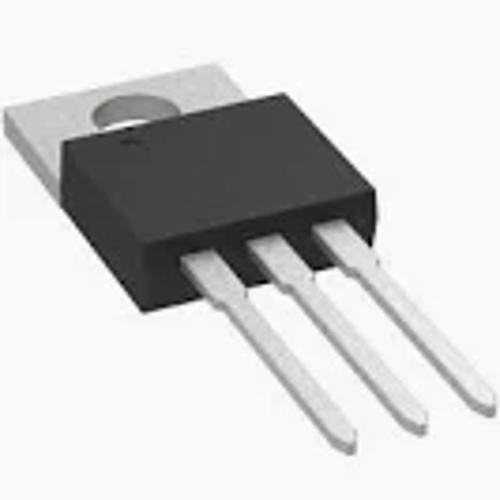
DIP or TO-220 Package: The IC is available in different package types, such as DIP (Dual In-line Package) or TO-220, making it suitable for various mounting and connection methods.
Low Quiescent Current: The IC is known for its low quiescent current, which minimizes power consumption when the load is light.
Overcurrent and Thermal Protection: It often features overcurrent protection and thermal shutdown to protect the IC and connected devices.
Applications: The LM3940 is commonly used in applications where you need to step down voltage, such as in battery-powered devices, microcontroller systems, and various electronic circuits.
Pin Configuration: The IC typically has input, output, and ground pins, as well as pins for external capacitors to stabilize the output voltage.
Voltage Reference: The LM3940 provides a stable voltage reference source for other circuits.
Temperature Stability: The IC is designed for temperature stability to ensure reliable and consistent performance over a range of operating conditions.
Datasheet: For precise details regarding electrical characteristics, pin configuration, and recommended usage, it’s essential to refer to the datasheet provided by the manufacturer.
Reviews
There are no reviews yet.
Be the first to review “LM3940 IC – 1A – Low Dropout Regulator IC for 5V to 3.3V Conversion” Cancel reply
Reviews
There are no reviews yet.