No products in the cart.

All Departments
- Basic Electronics
- Drone & Boat Parts
- Voltage Regulator, Voltmeter And Ampmeter
- Integrated Circuits
- Electric Bicycle Motor & Accessories
- Battery Management Systems
- Arduino Uno & Shields
- Audio Amplifiers
- Power Supply
- Raspberry Pi & Accessories
- RF Modules
- Jumper Wire
- Load & Flow Sensor
- Ultrasonic, Distance & IR
- Temperature And Humidity
- Line Sensor
Only this weekend
Super Discount
Items on sale this week
Top picks this week. Up to 50% off the best selling products.
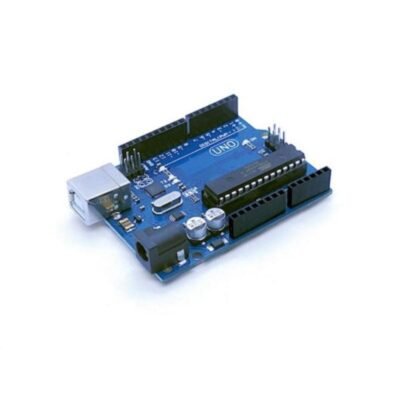
UNO R3 DIP Development Board With Cable
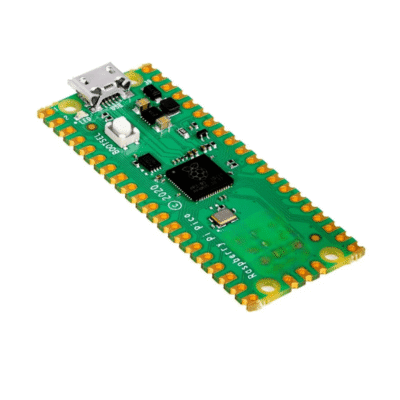
Raspberry Pi Pico Clone
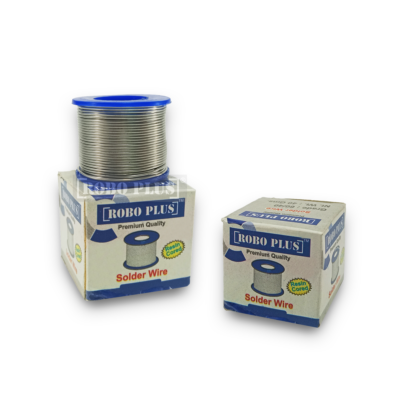
ROBO PLUS 40G SOLDER WIRE
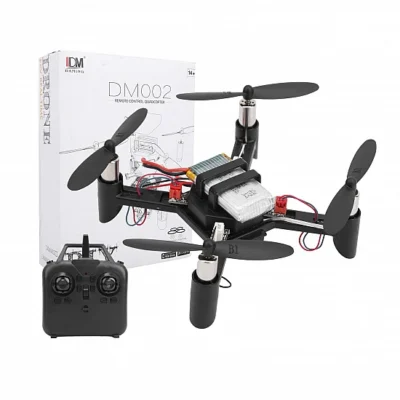
DM002 DIY Drone Kit With Manual (Camera Not Included)
Rated 5.00 out of 5
1 Ratings
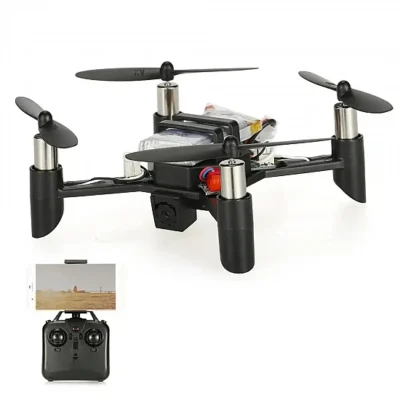
DM002 DIY Drone Kit with WiFi and Camera
Only 5 left in stock





Reviews
There are no reviews yet.